Recently added

Why You're Tired Even After Sleeping 8 Hours
If you've ever slept a full night and still crashed by lunch, the problem probably isn't how long you slept—it's how well your body recovered, and what happened in the hours before bed.
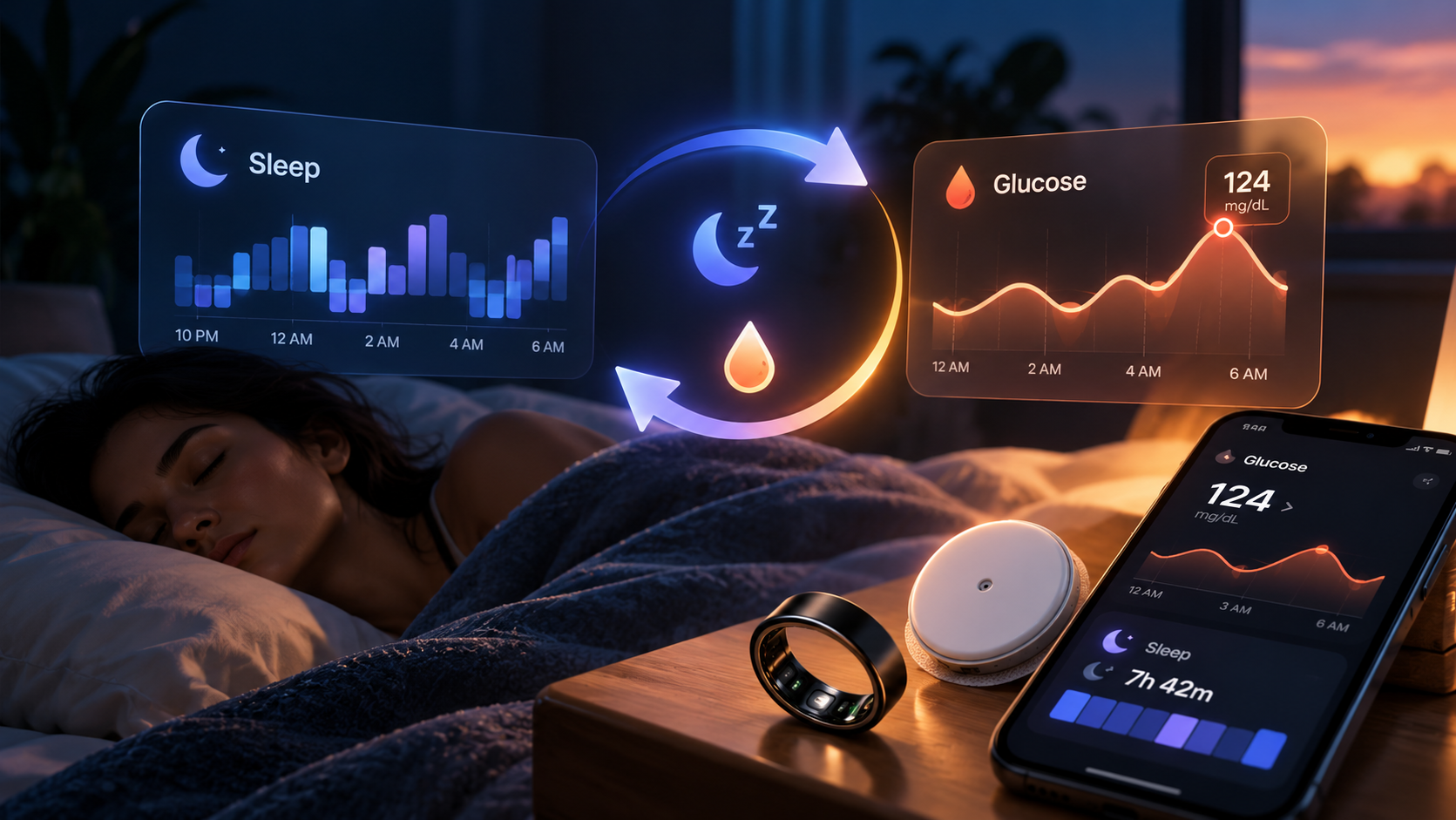
Overnight Glucose and Your Sleep: The Two-Way Loop Your Ring Can't See Alone
Your sleep and your overnight blood sugar shape each other in a two-way loop. Here's what a CGM reveals that your wearable can't — and how to read them together.
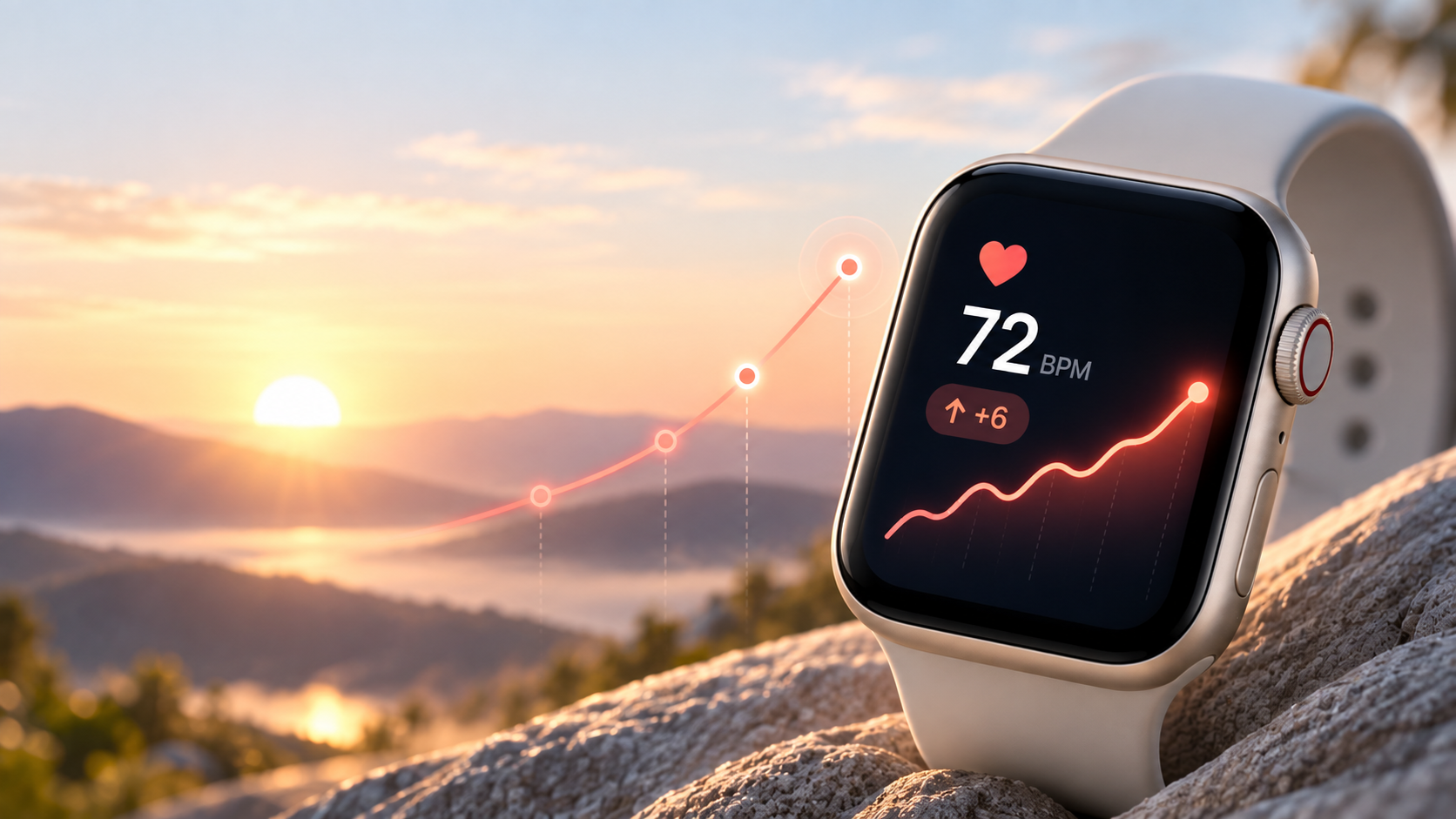
Your Resting Heart Rate, Decoded: What a Rising Morning Number Is Actually Telling You
Your resting heart rate is the most underrated signal on your wearable. Here's what it measures, what a rising morning number means, and when to act on it.
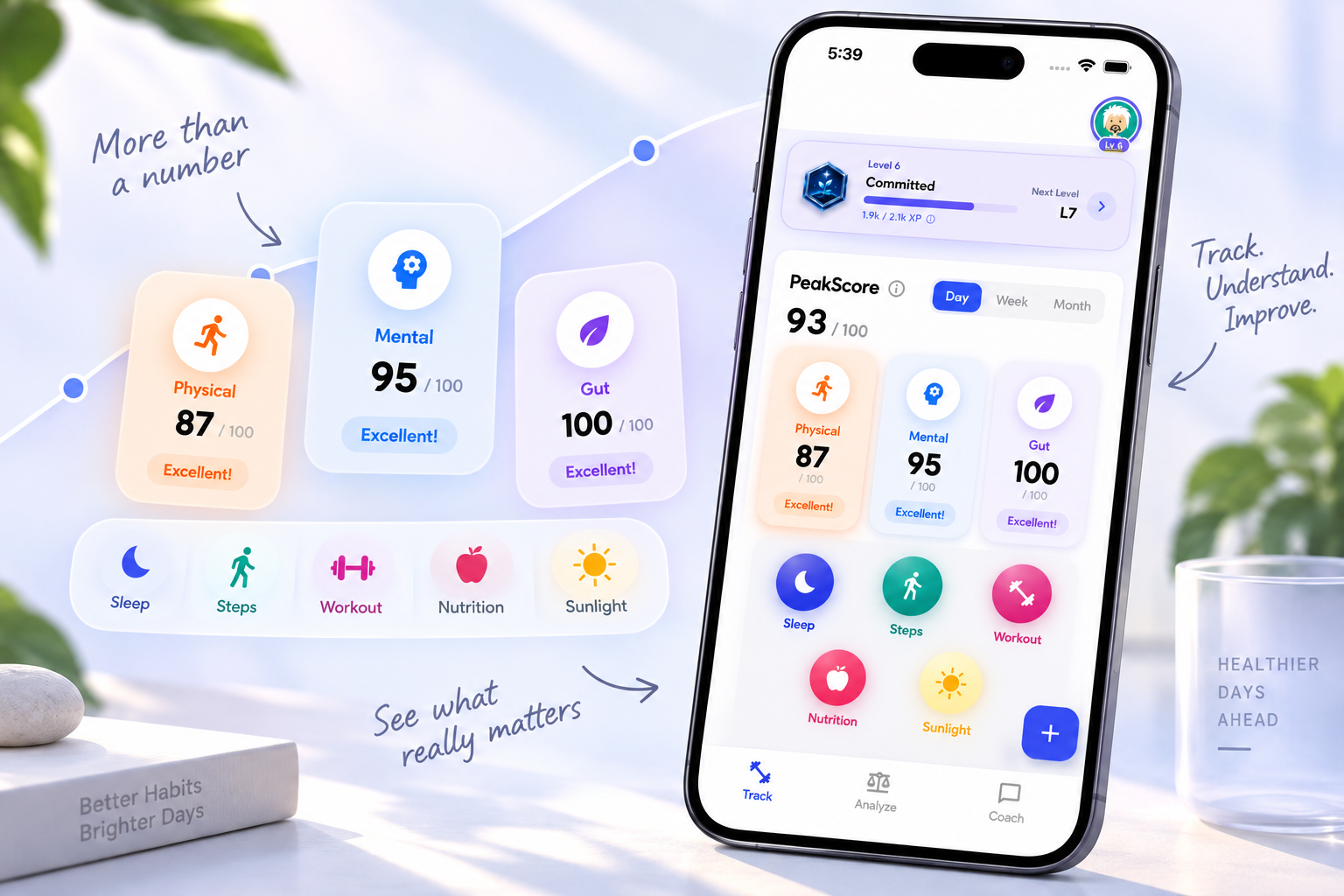
Peak Score, Explained: Every Weight Behind the Number
Most wellness scores are a black box. Peak Score isn't. Here's every pillar, weight, and rule — including what happens on days you don't log anything.
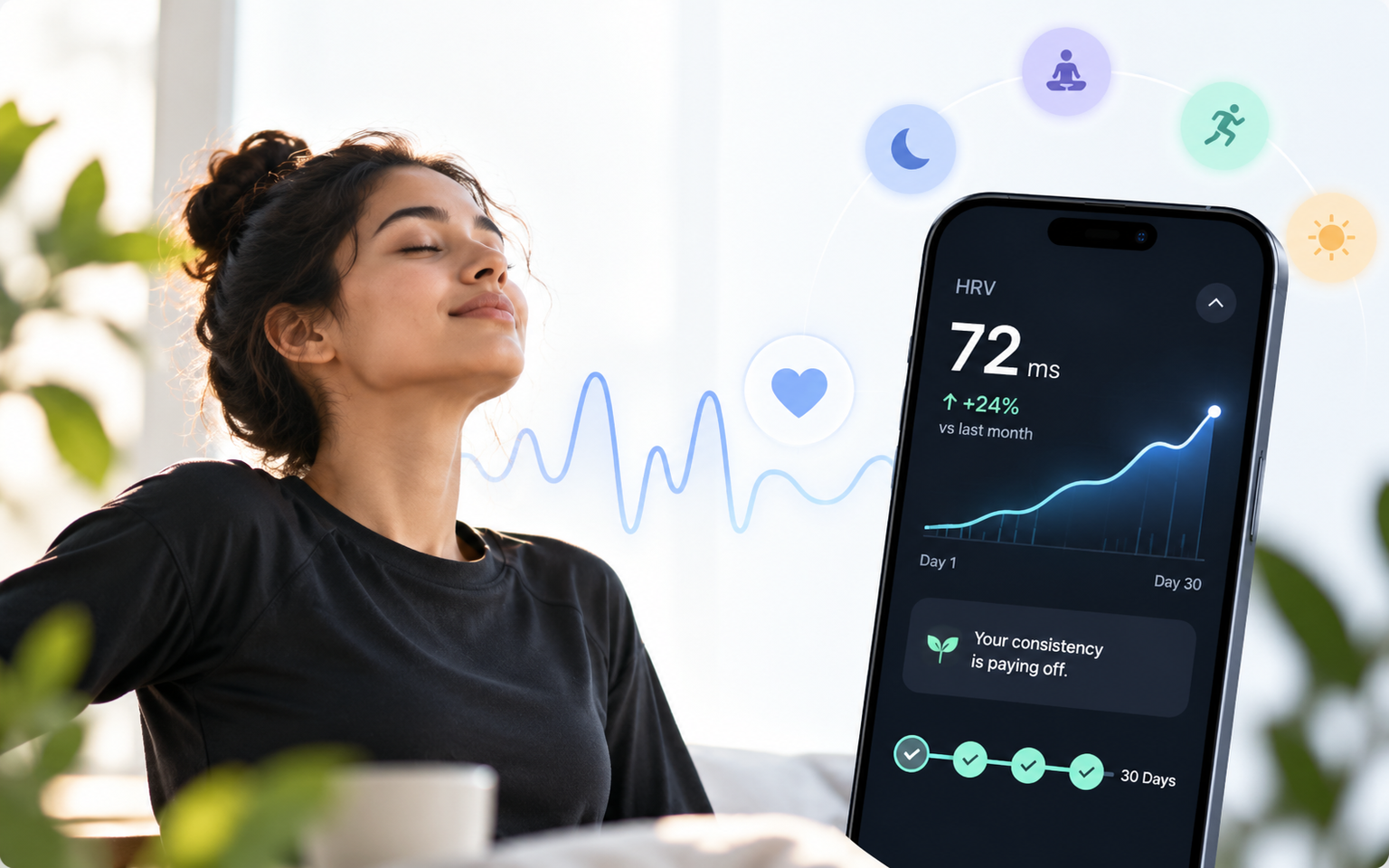
The 30-Day Plan to Raise Your HRV Baseline
Most HRV advice is a list of tips with no plan. Here's a structured 30-day approach to raising your HRV baseline, built only around inputs research shows move it.
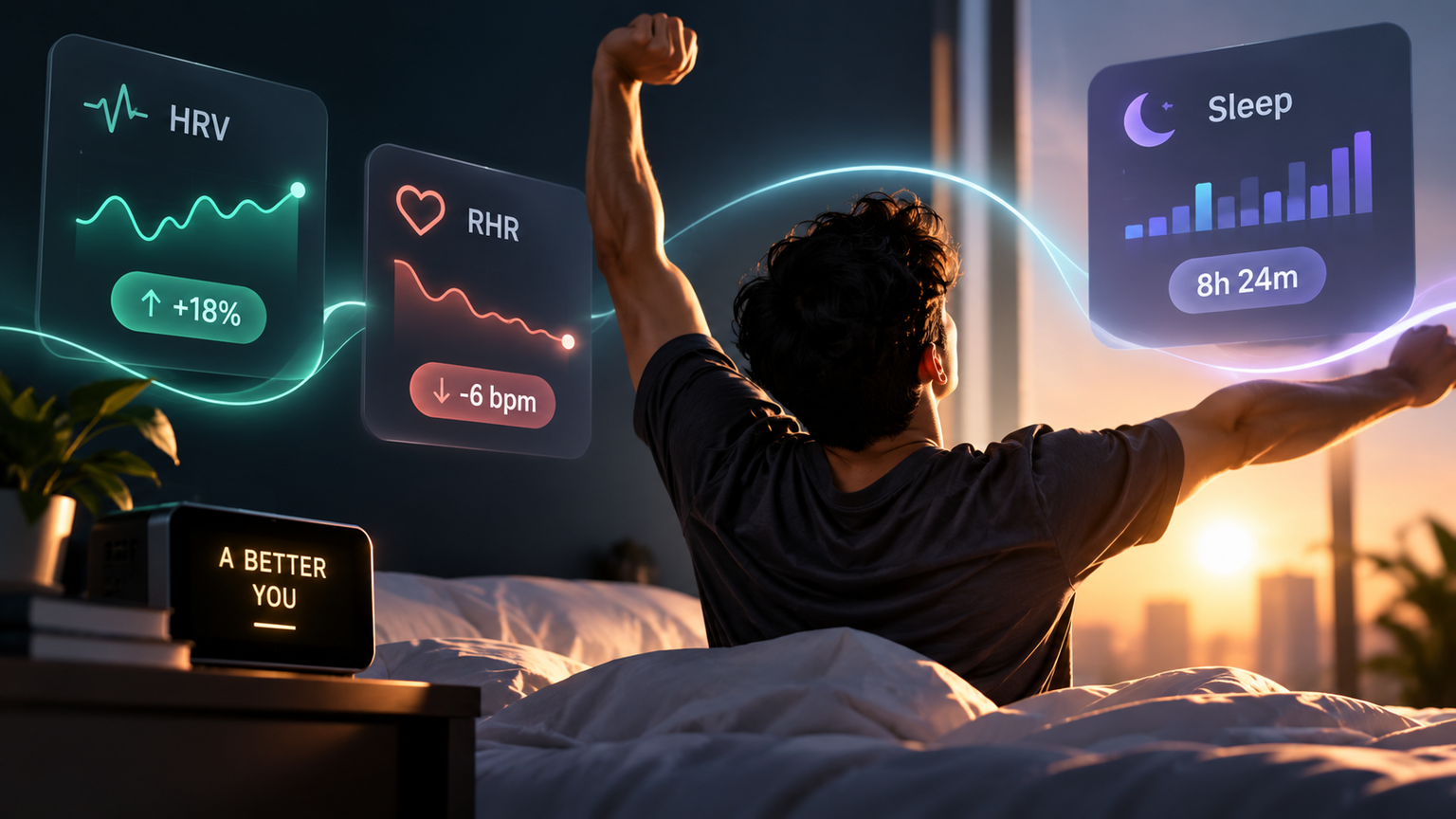
The Data-Driven Recovery Routine: Let Your Data Pick the Day
Static recovery tips ignore how you actually feel today. Here's how to build a recovery routine that adapts to this morning's HRV, RHR, and sleep data.
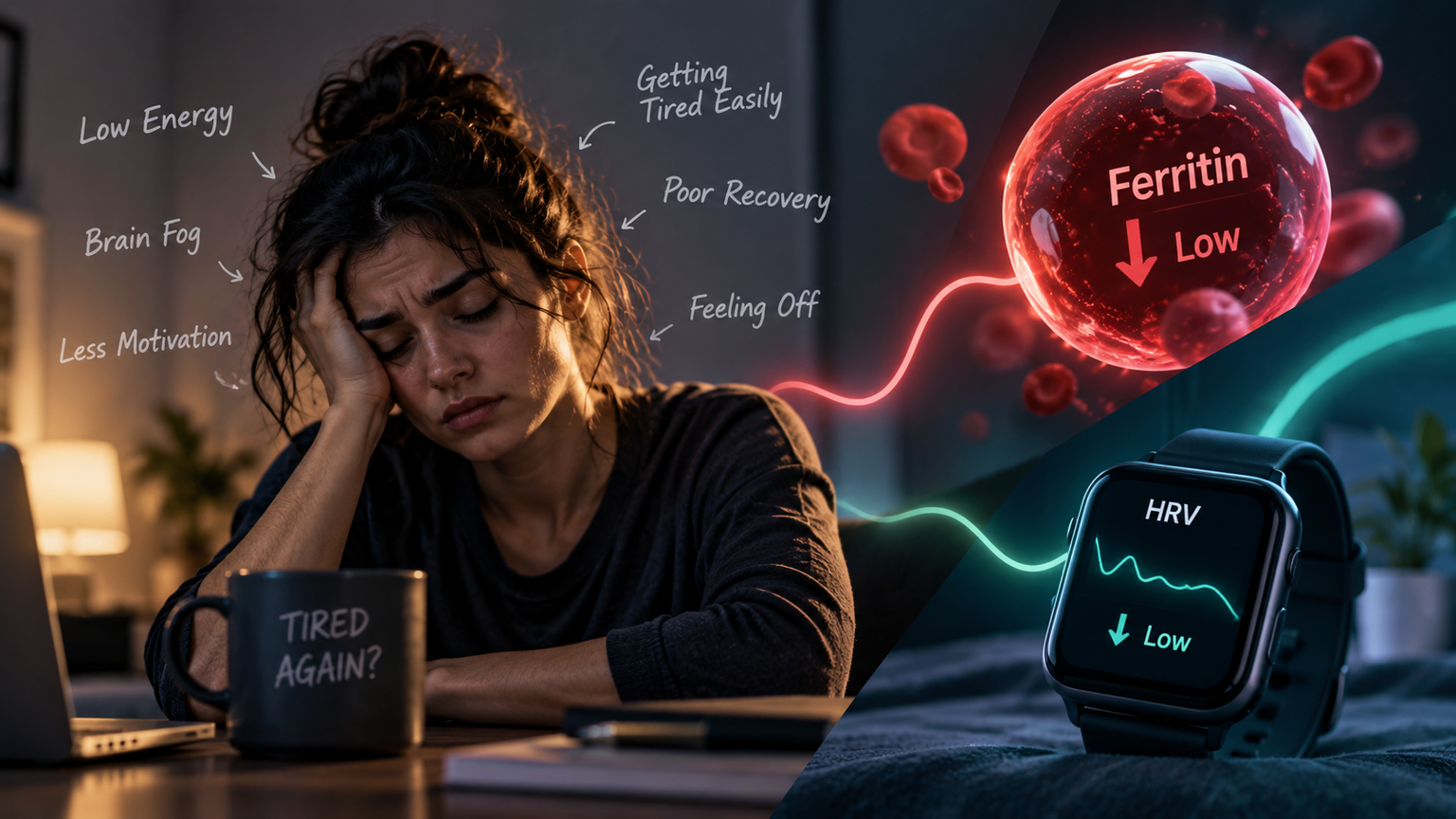
Low Ferritin & Low HRV: The Fatigue Connection
Your wearable may be flagging low iron before symptoms do. Here's the science behind the ferritin-HRV link and what to look for in your data.
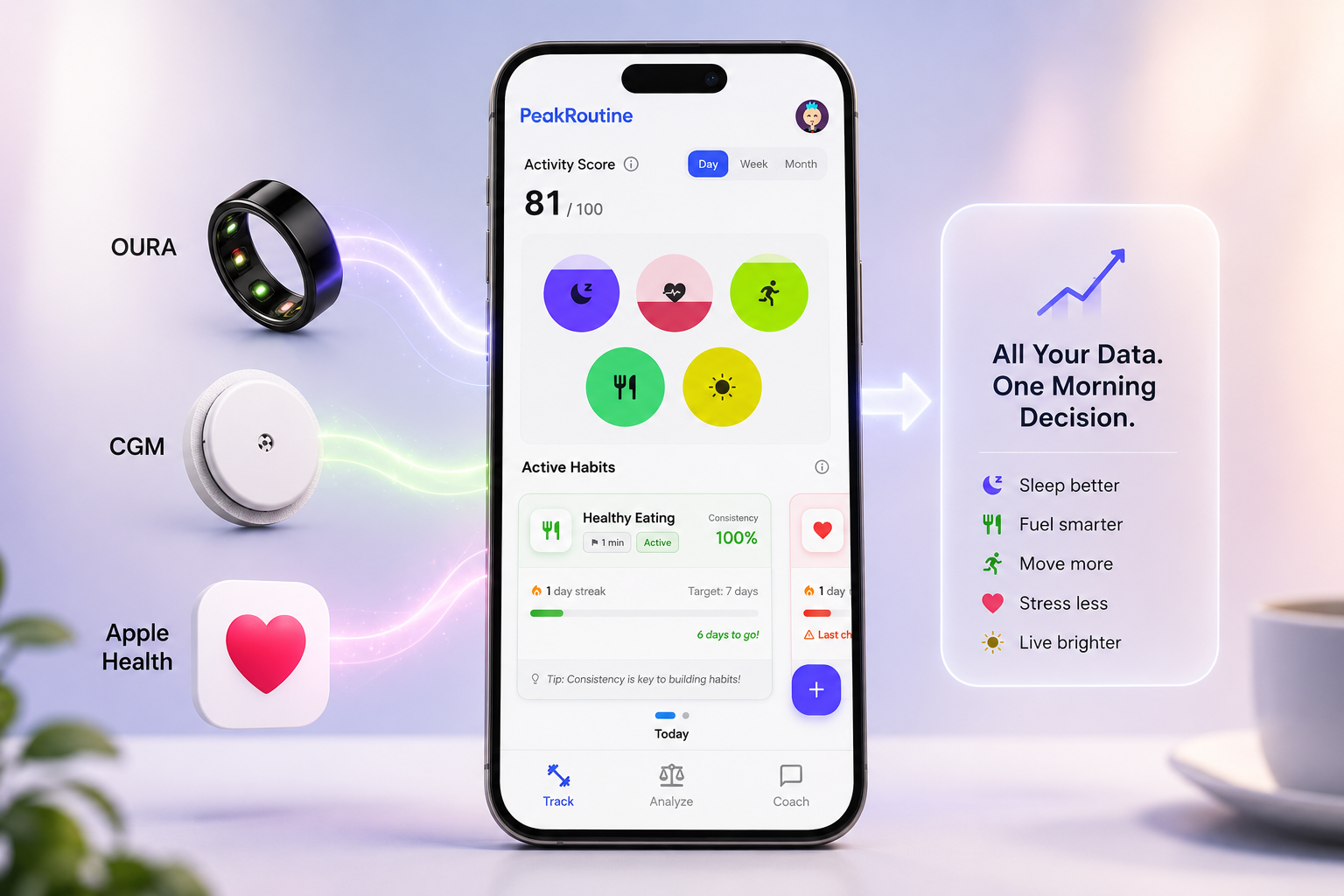
Combine Apple Health, Oura & CGM Data: What Actually Syncs
Oura doesn't send HRV, Readiness, or glucose to Apple Health. Here's what actually syncs, what silently breaks, and how to build one morning decision.

Habit Stacking for Your Biometrics: One Habit for Every Morning Metric
Habit stacking works better when your cue is a wearable reading, not a routine. Here's how to stack one habit onto each morning metric, backed by science.
Why Stress Quietly Undermines Your Recovery
Stress and recovery run through the same nervous system pathway. Here's the science behind why ongoing stress can suppress recovery even when nothing else has changed—and what to do about it.
The Basics: Heart Rate Variability (HRV)
HRV is one of the most useful recovery signals your body produces—and one of the most misunderstood. Here's what it actually measures and why the trend matters more than the number.
The Basics: Sunlight & Your Circadian Rhythm
Your body runs on a roughly 24-hour internal clock, and light is the main thing that sets it. Here's why sunlight timing matters more than most people realize.

Does Morning Light Really Improve Your Sleep?
Sunlight is the one signal most health apps never track—and it may be quietly shaping both your mood and how deeply you sleep. Here's the science, and what it looks like in your own data.